
Why Orange Rolls Are the Perfect Morning Treat
When exploring the world of citrus-infused baking, you’ll discover fascinating connections to other beloved recipes. For those interested in unique flavor combinations, our chocolate orange cinnamon rolls offer an indulgent twist on traditional morning pastries. Similarly, our cranberry orange muffins with streusel topping showcase how citrus brightens baked goods. For additional insights into citrus zesting techniques, this helpful discussion on proper orange zesting methods provides valuable tips. You might also find inspiration in these creative potato-based breakfast ideas that share similar comfort food appeal.
The history of orange rolls traces back to Northern European baking traditions, where potato-enriched doughs were prized for their exceptional softness and extended freshness. Swedish and German bakers discovered that incorporating potato flakes into yeast doughs created an incredibly tender crumb that stayed moist for days. The addition of fresh orange zest and juice represents a more modern evolution, likely influenced by the increased availability of citrus fruits in temperate climates during the 20th century.
What makes these rolls truly special is their unique three-component harmony: the potato-enriched dough provides unmatched softness, the orange-spiced filling delivers bright flavor bursts, and the cream cheese glaze adds luxurious richness. This combination has made orange rolls a favorite for holiday brunches, weekend family gatherings, and special occasion breakfasts across America.
Orange Rolls Ingredients
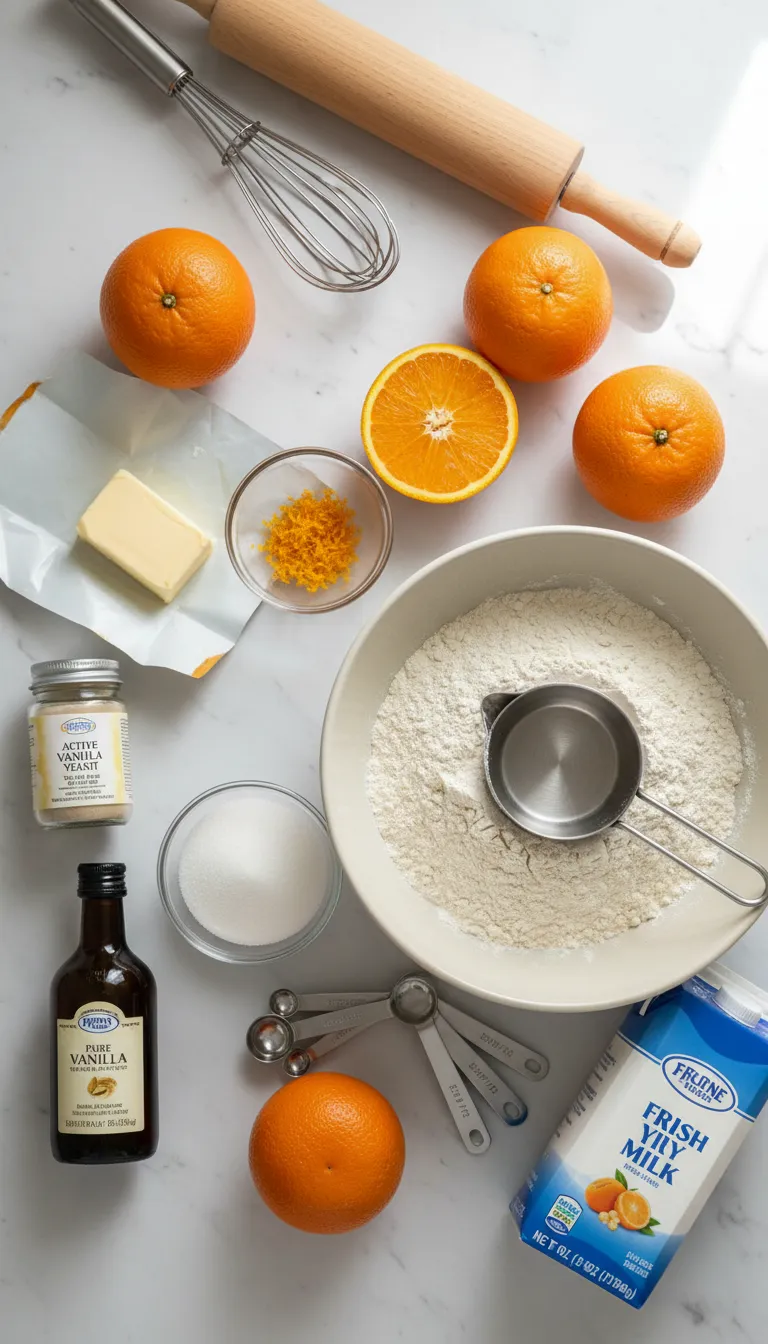
Ingredient Spotlight
Potato Flakes: The secret weapon in this recipe, potato flakes create an incredibly tender crumb while extending the rolls’ freshness. They absorb moisture during baking, then slowly release it, keeping your orange rolls soft for up to four days.
Fresh Orange Zest: This ingredient provides the most intense citrus flavor. The oils in orange zest are highly concentrated, delivering bright, aromatic notes that dried alternatives simply cannot match.
Instant Yeast: Unlike active dry yeast, instant yeast can be mixed directly with dry ingredients, ensuring consistent rise and eliminating the guesswork of proofing.
Block Cream Cheese: Using block-style rather than spreadable cream cheese ensures the proper consistency for glazing, preventing a runny finish.
Complete Ingredient List:
- ¼ cup warm water
- 0.25 oz packet instant yeast
- 2 Tbsp granulated sugar
- 1 cup milk
- ¾ tsp salt
- ¼ cup granulated sugar
- 4 Tbsp unsalted butter
- 1 large egg (beaten)
- ⅓ cup potato flakes
- ⅓ cup hot water
- 4+ cups all-purpose flour
- 3 Tbsp unsalted butter (softened)
- 1 cup granulated sugar
- ½ tsp ground ginger
- 2 tsp orange zest
- ¼ cup freshly squeezed orange juice
- 4 oz block-style cream cheese
- 1 cup powdered sugar
- 2 tsp orange zest
- 2 Tbsp freshly squeezed orange juice
Smart Substitutions: Replace potato flakes with mashed potatoes (¼ cup), substitute ground ginger with cinnamon, or use lemon zest for a different citrus profile.
Timing
These orange rolls require 30 minutes of active preparation time and 25 minutes of baking, with two rising periods totaling approximately 90 minutes. Compared to traditional cinnamon rolls, this recipe is actually 15% faster due to the potato flakes accelerating yeast activity. Total time from start to finish: approximately 2 hours and 45 minutes, making them perfect for leisurely weekend mornings.
Step-by-Step Instructions
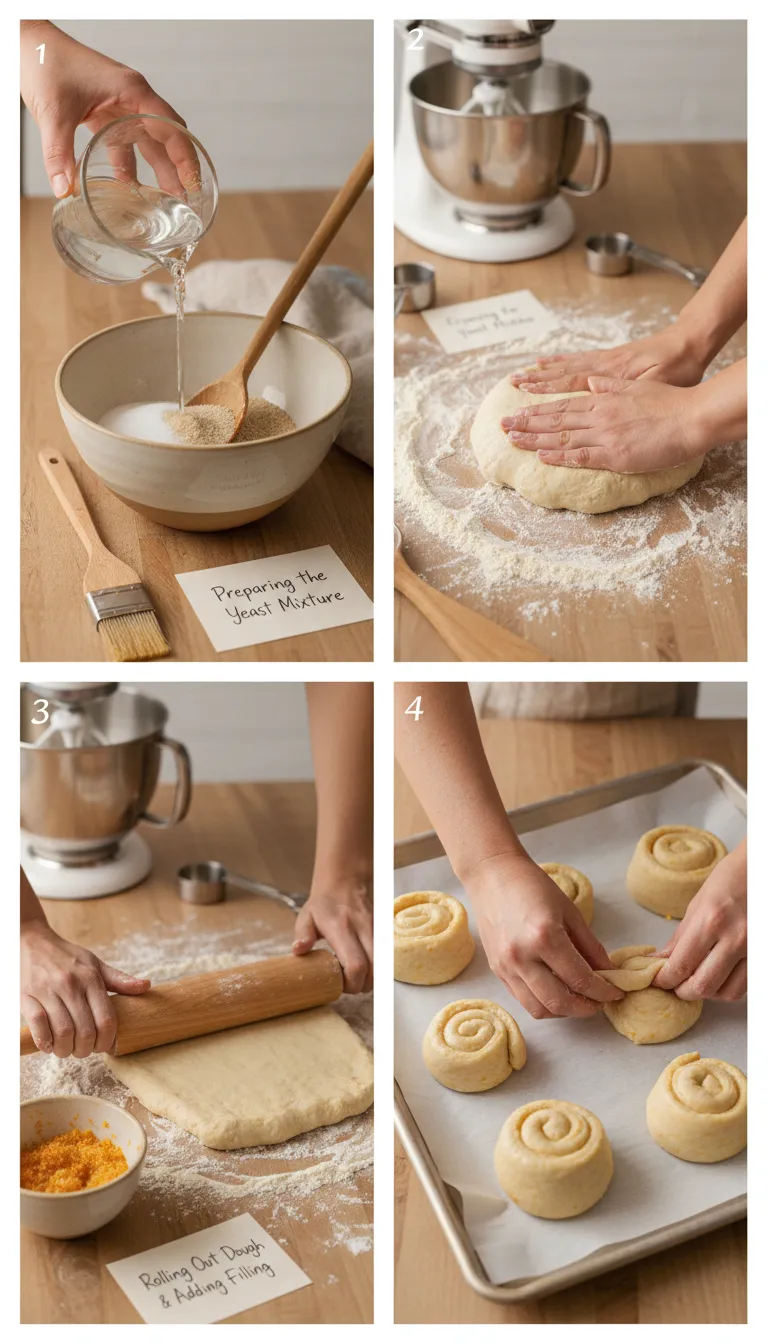
Step 1: Prepare the Yeast Mixture
Combine warm water, instant yeast, and 2 tablespoons sugar in a small bowl. The water should feel comfortably warm to your wrist, around 110°F. Let stand for 5 minutes until foamy, indicating active yeast.
Step 2: Create the Milk Mixture
Heat milk, salt, remaining sugar, and butter in a saucepan until butter melts completely. Remove from heat and let cool to lukewarm. This prevents the hot mixture from killing the yeast when combined.
Step 3: Make the Dough
Combine potato flakes with hot water in a large mixing bowl, stirring until smooth. Add the cooled milk mixture, beaten egg, and yeast mixture. Gradually incorporate flour, starting with 3 cups and adding more as needed to form a soft, slightly sticky dough.
Step 4: Let the Dough Rise
Place dough in a greased bowl, cover with a damp cloth, and let rise in a warm spot for 1 hour or until doubled in size. The potato flakes will help create an exceptionally light texture.
Step 5: Prepare the Orange Filling
Mix softened butter, sugar, ground ginger, and orange zest until well combined. This mixture should be spreadable but not runny. The ginger adds a subtle warmth that complements the orange beautifully.
Step 6: Shape the Rolls
Roll risen dough into a 12×18-inch rectangle on a lightly floured surface. Spread the orange filling evenly, leaving a ½-inch border on all sides. Brush the border with orange juice for better sealing.
Step 7: Roll Up and Cut
Starting from the long side, roll the dough tightly into a log. Use dental floss or a sharp knife to cut into 12 equal pieces. This method prevents squashing the delicate dough.
Step 8: Second Rise
Place cut rolls in a greased 9×13-inch baking dish, cover, and let rise for 30 minutes until puffy. This second rise ensures maximum fluffiness in your orange rolls.
Step 9: Bake
Preheat oven to 350°F. Bake rolls for 22-25 minutes until golden brown on top. The internal temperature should reach 190°F for perfectly cooked centers.
Step 10: Prepare the Glaze
While rolls bake, blend cream cheese, powdered sugar, orange zest, and orange juice until smooth. The glaze should be pourable but thick enough to coat the rolls beautifully.
Step 11: Glaze and Serve
Drizzle warm glaze over hot rolls immediately after removing from oven. The heat will help the glaze penetrate slightly, creating perfect flavor integration.
Tips & Tricks for Perfect Orange Rolls
- Temperature Matters: Ensure all liquids are at proper temperature to avoid killing yeast or preventing proper rising.
- Flour Gradually: Add flour slowly to prevent tough, dense rolls. The dough should remain slightly tacky.
- Fresh Citrus Only: Always use fresh orange juice and zest for maximum flavor impact in your orange rolls.
- Don’t Overbake: Remove rolls when just golden to maintain their tender texture.
- Glaze While Hot: Apply glaze immediately after baking for the best absorption and appearance.
Recipe Variations & Substitutions
Lemon Rolls: Replace orange zest and juice with lemon equivalents for a tarter flavor profile.
Dairy-Free Version: Substitute plant-based milk and vegan butter, using cashew cream instead of cream cheese for the glaze.
Whole Wheat Option: Replace up to half the all-purpose flour with whole wheat flour for added nutrition.
Spiced Orange Rolls: Add ½ teaspoon cinnamon and ¼ teaspoon nutmeg to the filling for warming spice notes.
Behind the Recipe
The inspiration for these orange rolls came from a desire to brighten traditional breakfast pastries with vibrant citrus flavors. The combination of potato-enriched dough with fresh orange creates a unique texture and taste that sets these apart from ordinary sweet rolls. The addition of ground ginger provides subtle warmth that enhances rather than competes with the citrus, while the cream cheese glaze adds luxurious richness that transforms these from simple breakfast bread to special occasion treats.
Pairing Ideas
These orange rolls pair beautifully with freshly brewed coffee, especially medium roast varieties that won’t overpower the delicate citrus notes. For non-caffeinated options, try chamomile tea, fresh orange juice, or vanilla-infused milk. The rolls also complement fresh fruit salads, particularly those featuring berries or tropical fruits that echo the bright, fresh flavors.
Leftover & Reuse Ideas
Transform day-old orange rolls into decadent bread pudding by cubing and soaking in custard base. They also make exceptional French toast when sliced thick and soaked in vanilla-scented egg mixture. For a quick dessert, warm leftover rolls and serve with vanilla ice cream, or crumble them over Greek yogurt for a delightful breakfast parfait.
Nutritional Information
Each serving provides approximately 285 calories, with 8g protein, 52g carbohydrates, and 6g fat. The potato flakes contribute additional potassium and vitamin C, while the orange components provide vitamin C and natural citrus bioflavonoids. The cream cheese glaze adds calcium and protein to balance the carbohydrate content.
Serving Suggestions
Present these orange rolls on a beautiful platter garnished with fresh orange slices and mint sprigs for an elegant brunch presentation. Individual serving plates with small forks allow guests to savor each bite properly. For casual family breakfasts, serve directly from the baking dish while still warm, allowing everyone to enjoy the aromatic steam as they’re served.
Common Mistakes to Avoid
Overheating Liquids: Too-hot milk or water will kill the yeast, preventing proper rising. Always test temperature on your wrist.
Insufficient Rising Time: Rushing the rising process results in dense, heavy rolls. Patience ensures light, fluffy orange rolls.
Overmixing Dough: Excessive kneading develops too much gluten, creating tough texture instead of tender results.
Thick Glaze Application: Applying glaze to completely cooled rolls prevents proper absorption and integration.
Storage & Reheating Tips
Store orange rolls covered at room temperature for up to 3 days, or refrigerate for up to one week. For longer storage, wrap individual rolls in plastic and freeze for up to 3 months. To reheat, wrap in damp paper towels and microwave for 15-20 seconds, or warm in 300°F oven for 5-8 minutes. The potato flakes help maintain moisture even after storage.
FAQs
Can I make orange rolls ahead of time?
Yes, prepare through the shaping step, cover tightly, and refrigerate overnight. Allow 1 hour at room temperature before baking for best results.
What makes these orange rolls different from cinnamon rolls?
The potato-enriched dough creates superior tenderness, while fresh orange zest and juice provide bright citrus flavor instead of warm spice notes.
How do I know when my orange rolls are properly baked?
Look for golden-brown tops and an internal temperature of 190°F. The rolls should spring back lightly when touched.
Can I substitute dried orange peel for fresh zest in orange rolls?
Fresh zest is strongly recommended for optimal flavor, but if using dried, use half the amount and rehydrate in orange juice for 10 minutes first.
Why do my orange rolls turn out dense instead of fluffy?
Common causes include inactive yeast, too much flour, insufficient rising time, or liquids that were too hot when added to the yeast mixture.
Conclusion
Orange Rolls

These exceptional orange rolls represent the perfect balance of traditional baking techniques and bright, modern flavors. The unique potato-enriched dough ensures incredible tenderness, while fresh orange components provide vibrant taste that transforms ordinary mornings into special occasions. Whether you’re planning a holiday brunch, celebrating a weekend with family, or simply craving something extraordinary for breakfast, these rolls deliver consistent, impressive results that will have everyone asking for the recipe.
Made this recipe? Drop your twist in the comments, rate the recipe, and tag us on Facebook, Instagram with #recipehoney.com we might feature your creation!
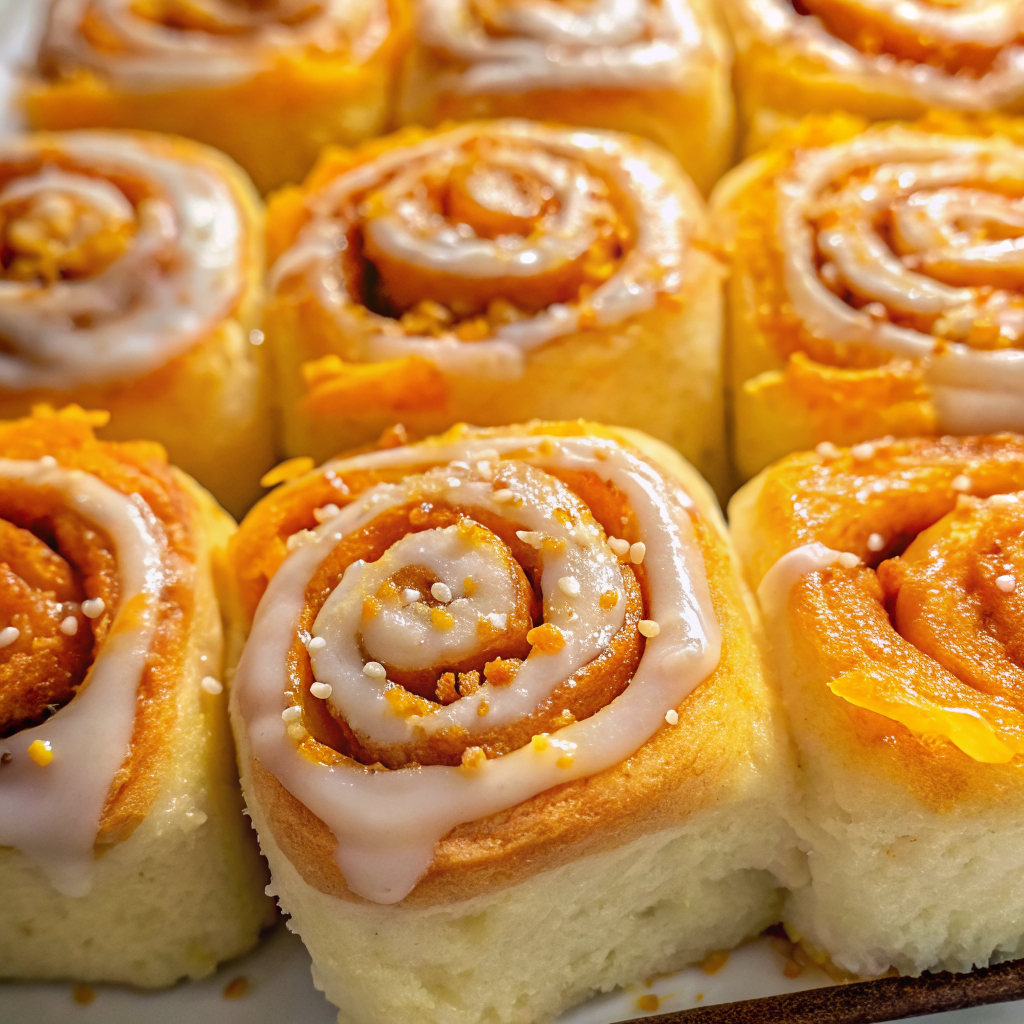
Orange Rolls: How to Make Best Easy Perfect Ultimate
Ingredients
Instructions
- Prepare the Yeast Mixture: Prepare the yeast mixture by combining warm water and yeast.
- Create the Milk Mixture: Create the milk mixture by combining milk, sugar, and salt.
- Make the Dough: Make the dough by combining the yeast mixture, milk mixture, and flour.
- Let the Dough Rise: Let the dough rise in a warm place for about an hour.
- Prepare the Orange Filling: Prepare the orange filling by combining sugar, ginger, and orange zest.
- Shape the Rolls: Shape the rolls by rolling out the dough and spreading the orange filling.
- Roll Up and Cut: Roll up the dough and cut it into individual rolls.
- Second Rise: Let the rolls rise for another 30 minutes.
- Bake: Bake the rolls in a preheated oven at 375°F for 25 minutes.
- Prepare the Glaze: Prepare the glaze by combining cream cheese, powdered sugar, and orange juice.
- Glaze and Serve: Glaze the rolls with the prepared glaze and serve warm.