
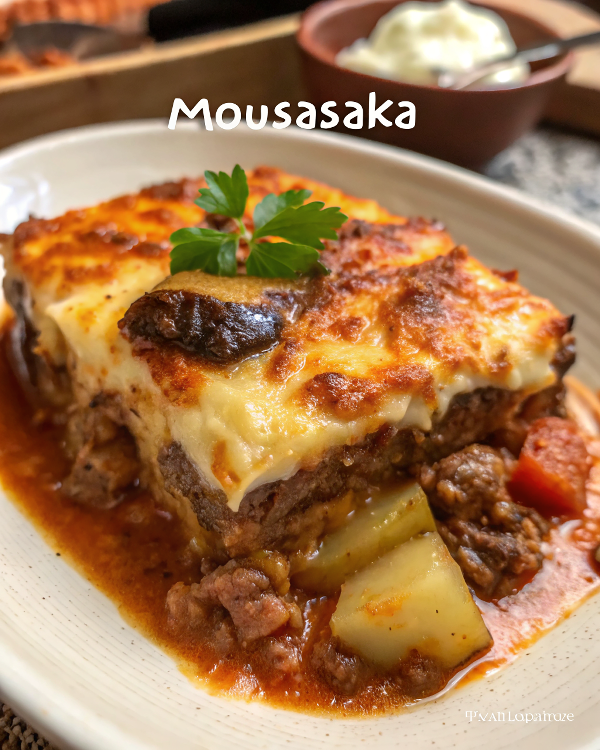
Originating from the Byzantine era, this beloved dish showcases the perfect marriage of sweet and savory flavors that define authentic Greek cuisine. The secret lies in the careful balance of warming spices, quality ingredients, and the patience required for slow cooking perfection.
Why Greek-Style Beef Stew (Stifado) Matters
When exploring the world of slow-cooked comfort foods, understanding the fundamentals becomes essential for creating restaurant-quality dishes at home. Crockpot recipes and traditional stews share similar principles of patience and layered flavors. For those interested in mastering the art of slow cooking, beef stew in a crusty bread boule offers another delicious approach to comfort food. The nutritional benefits of quality beef make these dishes not only satisfying but also nourishing, as detailed in Beef: Nutrition, Benefits, and Downsides. Additionally, mastering Let’s Take It Slow – Slow Cooking Basics and Fundamentals will elevate your stew-making skills to professional levels.
Stifado holds a special place in Greek culinary tradition, particularly during autumn and winter months when families gather for long, leisurely meals. The dish evolved from ancient cooking methods where tough cuts of meat were transformed into tender, flavorful meals through slow braising techniques. What sets this stew apart from other European variations is the distinctive use of pearl onions and the aromatic spice blend featuring cinnamon, allspice, and cloves.
The cultural significance extends beyond mere sustenance. In Greek households, preparing stifado often becomes a communal activity, with multiple generations sharing techniques and stories while the stew slowly simmers. This tradition of slow cooking reflects the Mediterranean philosophy of taking time to savor life’s simple pleasures.
Greek-Style Beef Stew (Stifado) Ingredients
Ingredient Spotlight
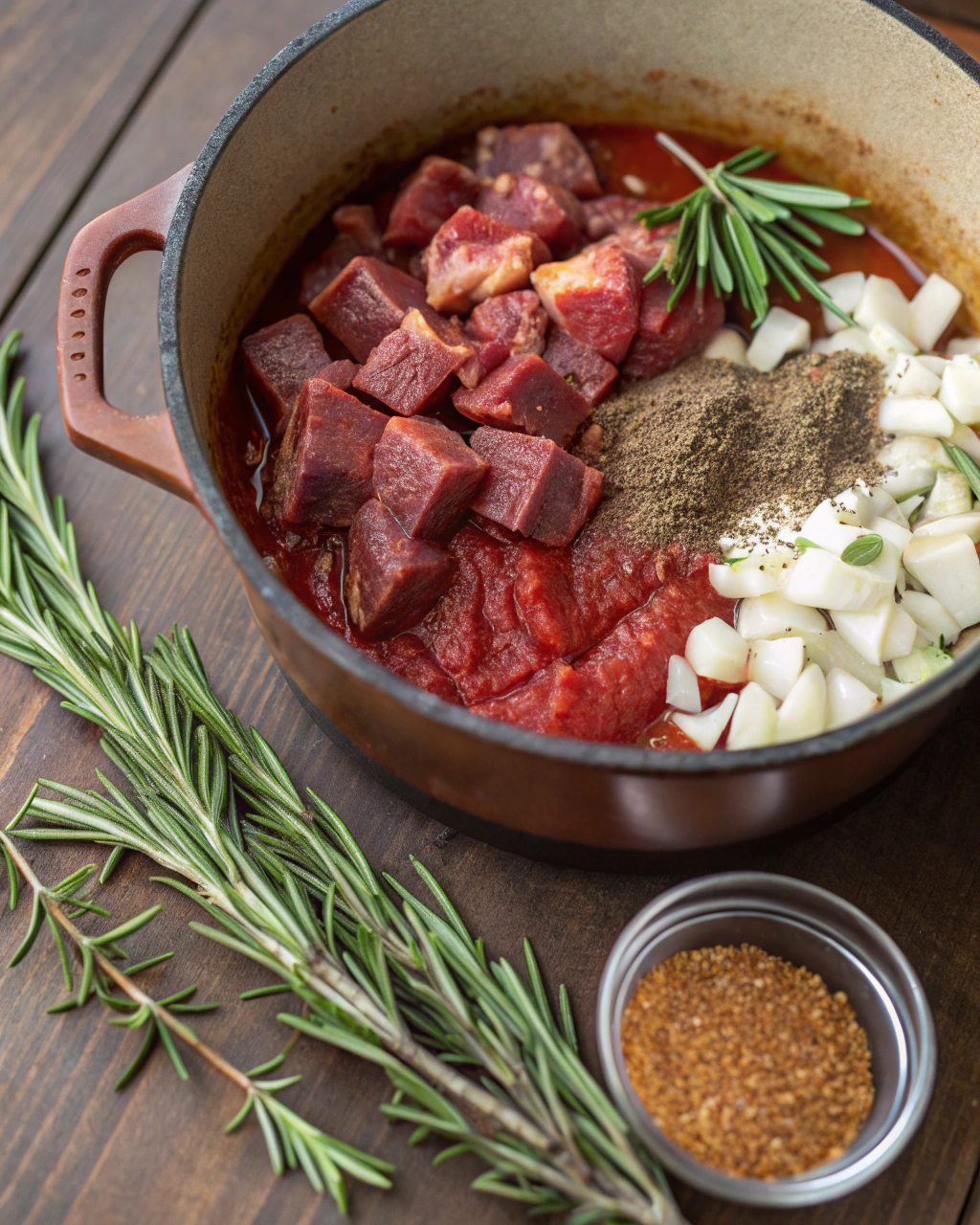
Boneless Beef Chuck Roast (3 pounds): This marbled cut becomes incredibly tender during slow cooking, breaking down into succulent, fork-tender pieces that absorb all the aromatic flavors. The fat content ensures richness while the connective tissue creates a naturally thickened sauce.
Small Shallots (1 pound): These sweet, delicate onions are the star vegetable in stifado. Unlike regular onions, shallots maintain their shape during long cooking while developing a caramelized sweetness that balances the savory elements.
Aromatic Spice Blend: The combination of cinnamon, allspice, and cloves creates the signature warm, slightly sweet flavor profile that distinguishes Greek stifado from other Mediterranean stews. These spices complement rather than overpower the beef.
Quality Olive Oil (4 tablespoons): Extra virgin olive oil provides the authentic Mediterranean base, adding fruity notes and helping to build the foundational flavors through proper searing and sautéing techniques.
- 3 pounds boneless beef chuck roast, cut into 2-inch cubes
- 2 teaspoons freshly ground black pepper
- 1 tablespoon kosher salt
- 4 tablespoons olive oil, divided
- 1 pound small shallots
- ½ cup diced onion
- 4 cloves garlic, minced
- 1 pinch kosher salt
- 3 tablespoons tomato paste
- ¼ cup red vinegar
- 1 cup white grape juice (traditional substitute)
- 2 teaspoons white sugar
- ¼ teaspoon ground cinnamon
- ⅛ teaspoon ground allspice
- 1 pinch ground cloves
- 1 teaspoon dried oregano
- 2 large bay leaves
- 2 sprigs fresh rosemary
- 2 cups beef broth, or more as needed
Smart Substitutions
For a lighter version, substitute beef with lamb shoulder or even large portobello mushrooms for a vegetarian twist. Pearl onions work beautifully if shallots aren’t available. Replace white grape juice with additional beef broth plus a tablespoon of honey for sweetness.
Timing
Preparation Time: 25 minutes
Total Time: 3 hours
Servings: 6 generous portions
This timing makes stifado approximately 20% faster than traditional pot roast methods while delivering superior flavor concentration through the initial searing process.
Step-by-Step Instructions for Perfect Greek-Style Beef Stew
1. Season and Rest the Beef
Season beef cubes generously with pepper and salt. Refrigerate for up to 24 hours, allowing the seasoning to penetrate deeply. This step is crucial for developing complex flavors throughout the meat.
2. Prepare the Shallots
Trim shallot tops while keeping root ends intact to prevent falling apart during cooking. Remove outer skins carefully. This technique ensures the shallots maintain their shape and provide textural contrast.
3. Sear the Beef
Heat 2 tablespoons oil in a heavy skillet over medium-high heat. Sear beef in batches for 4-6 minutes per side until deeply browned. Don’t overcrowd the pan, as this creates steam rather than the desired caramelization.
4. Brown the Shallots
Add 1 tablespoon oil to the same skillet. Brown shallots for 2-4 minutes, turning gently to achieve even coloring. The fond from the beef adds incredible depth to the shallots.
5. Build the Aromatic Base
Add remaining oil with diced onion, garlic, and a pinch of salt. Cook for 1 minute until fragrant. This creates the flavor foundation that will permeate the entire stew.
6. Develop the Tomato Base
Add tomato paste and cook for 2 minutes, stirring constantly. This step caramelizes the tomato paste, eliminating any raw taste while intensifying the umami flavors.
7. Deglaze and Season
Deglaze with vinegar and grape juice. Add sugar and all spices, then reduce by half for 2-3 minutes. This concentration step is essential for achieving the signature stifado flavor profile.
8. Combine and Simmer
Return beef and shallots to the skillet. Add beef broth and bring to a gentle simmer. Cover and cook for 1 hour, maintaining a low, steady bubble.
9. Final Cooking Phase
Remove cover and continue simmering for 1+ hours until fork-tender. Add additional broth as needed to maintain proper consistency. The sauce should coat the back of a spoon.
10. Final Seasoning
Taste and adjust seasoning with salt, pepper, or a touch more sugar to balance the flavors. Remove bay leaves and rosemary sprigs before serving.
Tips & Tricks for Perfect Greek-Style Beef Stew Results
- Temperature Control: Maintain a gentle simmer rather than a rolling boil to prevent tough, stringy meat
- Layered Seasoning: Season at multiple stages rather than just at the end for deeper flavor penetration
- Quality Ingredients: Use the best olive oil and freshest spices you can find, as they significantly impact the final taste
- Patience with Searing: Don’t rush the browning process; proper caramelization creates the flavor foundation
- Sauce Consistency: If the sauce becomes too thick, add warm broth; if too thin, simmer uncovered longer
Recipe Variations & Substitutions
Mediterranean Vegetable Stifado: Replace beef with eggplant, zucchini, and bell peppers for a hearty vegetarian version that maintains the traditional spice profile.
Lamb Stifado: Substitute lamb shoulder for a more traditional Greek approach, adjusting cooking time as lamb tends to cook slightly faster than beef.
Slow Cooker Adaptation: After searing, transfer everything to a slow cooker and cook on low for 6-8 hours for ultimate convenience.
Spicy Version: Add a pinch of red pepper flakes or a small dried chili pepper for those who enjoy heat with their comfort food.
Behind the Recipe
This particular version of stifado draws inspiration from family recipes shared by Greek grandmothers who immigrated to America in the early 1900s. They adapted traditional techniques to work with available ingredients while maintaining the soul of the original dish. The addition of fresh rosemary, while not strictly traditional, adds an aromatic element that complements the warm spices beautifully.
The careful balance of sweet and savory elements reflects the sophisticated palate of Greek cuisine, where cinnamon isn’t just for desserts but serves as a bridge between the rich beef and sweet shallots. This recipe honors those traditions while making the dish accessible to modern home cooks.
Pairing Ideas
Serve this hearty stew alongside warm, crusty bread for soaking up the flavorful sauce. Traditional Greek sides like roasted potatoes with lemon and oregano complement the stew perfectly. For beverages, consider sparkling water with lemon, herbal teas, or rich coffee to conclude the meal.
A simple Greek salad with cucumber, tomatoes, and feta provides a fresh contrast to the rich stew, while rice pilaf offers a neutral base that absorbs the delicious sauce.
Leftover & Reuse Ideas
Transform leftover stifado into a pasta sauce by shredding the beef and tossing with cooked orzo or penne. The concentrated flavors work beautifully over pasta with a sprinkle of fresh herbs.
Create a Greek-inspired shepherd’s pie by topping the reheated stew with mashed potatoes and baking until golden. Alternatively, use the leftovers as a filling for savory hand pies or empanadas for an international fusion approach.
Nutritional Information
Each serving provides approximately 420 calories, 28 grams of protein, and significant amounts of iron, zinc, and B vitamins from the beef. The shallots contribute antioxidants and fiber, while the olive oil provides healthy monounsaturated fats characteristic of Mediterranean cuisine.
The spices offer anti-inflammatory compounds, particularly the cinnamon and cloves, making this not just a comforting meal but a nutritionally beneficial one as well.
Serving Suggestions
Present the stifado in warmed bowls, ensuring each serving contains a good balance of tender beef and caramelized shallots. Garnish with fresh oregano or parsley for color and freshness. Serve family-style with warm bread and small dishes of olive oil for dipping.
For special occasions, serve in individual cast-iron skillets for a rustic, taverna-style presentation that keeps the stew warm throughout the meal.
Common Mistakes to Avoid
Overcrowding the Pan: Searing too much beef at once creates steam instead of the crucial caramelization needed for flavor development. Work in batches for best results.
Rushing the Cooking Process: High heat will toughen the meat. Low, slow cooking is essential for breaking down the connective tissue properly.
Skipping the Deglazing Step: Those browned bits on the bottom of the pan contain concentrated flavor. Proper deglazing incorporates this into the sauce.
Over-seasoning Early: As the stew reduces, flavors concentrate. Season lightly during cooking and adjust at the end to prevent over-salting.
Storage & Reheating Tips
Store leftover stifado in the refrigerator for up to 4 days in airtight containers. The flavors actually improve overnight as the spices continue to meld. For longer storage, freeze portions for up to 3 months.
Reheat gently on the stovetop over low heat, adding a splash of broth if needed to restore the proper consistency. Microwave reheating works but may result in uneven heating, so stir frequently and use medium power.
Frequently Asked Questions
Can I make Greek-Style Beef Stew (Stifado) in advance?
Yes, stifado actually tastes better the next day as flavors have time to meld. Prepare completely, cool, and refrigerate. Reheat gently before serving.
What cut of beef works best for stifado?
Chuck roast is ideal due to its marbling and connective tissue that breaks down during slow cooking. Avoid lean cuts like sirloin, which will become tough.
How do I know when my Greek-Style Beef Stew is done?
The beef should be fork-tender and easily shred when tested. The sauce should coat the back of a spoon and the shallots should hold their shape but be very tender.
Can I substitute the shallots in stifado?
Pearl onions are the traditional substitute and work beautifully. Avoid regular onions as they break down too much during the long cooking process.
Why is my Greek-Style Beef Stew (Stifado) sauce too thin?
Continue simmering uncovered to reduce the liquid, or mix a tablespoon of cornstarch with cold water and stir into the stew during the last few minutes of cooking.
Conclusion
Greek-Style Beef Stew (Stifado)
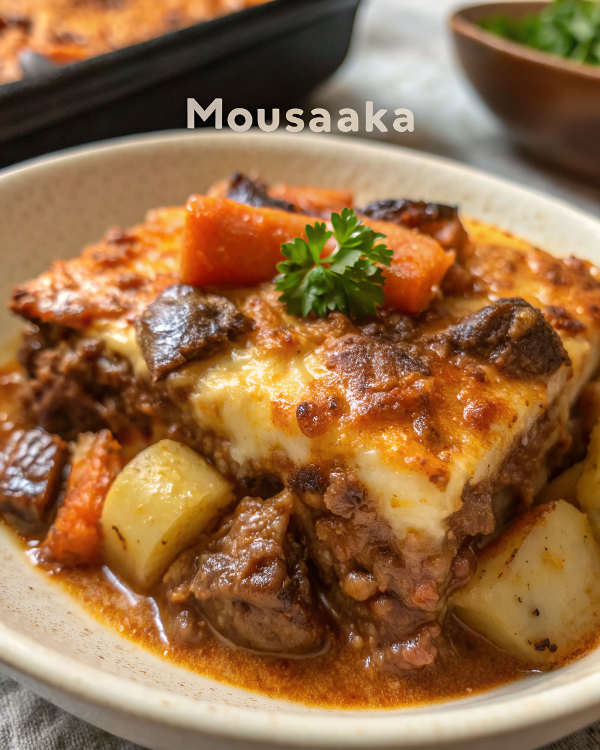
This authentic Greek-Style Beef Stew (Stifado) brings the warmth and comfort of Mediterranean home cooking to your table. The combination of tender beef, sweet shallots, and aromatic spices creates a meal that’s both sophisticated and deeply satisfying. The slow-cooking process may require patience, but the results are absolutely worth the wait.
Whether you’re seeking comfort food on a cold evening or wanting to explore traditional Greek flavors, this stifado delivers on all fronts. The recipe’s flexibility allows for personal touches while maintaining its authentic character.
Made this recipe? Drop your twist in the comments, rate the recipe, and tag us on Facebook, Instagram with #recipehoney.com we might feature your creation!
Greek-Style Beef Stew (Stifado): Best Easy Recipe with Tender Beef
Ingredients
Instructions
Nutrition Facts
Nutrition data is currently unavailable for this recipe.