
Why Italian Pickled Eggplant Matters
Understanding the art of pickling opens up a world of culinary possibilities, much like exploring our cucumber vinegar salad recipe or mastering the perfect balsamic vinaigrette dressing. For those interested in diving deeper into pickling techniques, this comprehensive guide to pickling processes provides valuable insights. Additionally, learning about eggplant nutrition and health benefits can help you appreciate why this Mediterranean staple has been cherished for generations.
Italian Pickled Eggplant, known as “melanzane sott’olio” in Italy, emerged from the practical need to preserve vegetables before refrigeration existed. Southern Italian families, particularly in regions like Calabria and Sicily, perfected this technique during abundant harvest seasons. The method involves drawing out moisture through salt-curing, then preserving the eggplant in seasoned oil, creating a condiment that could last through winter months. This preservation technique not only extended the vegetable’s shelf life but also concentrated its flavors, creating something entirely new and delicious.
Over centuries, each Italian region developed its own variation. Some areas added sun-dried tomatoes, others incorporated fresh herbs like basil or parsley. The Calabrian version often features more chili peppers, reflecting the region’s love for heat, while Sicilian preparations might include capers or pine nuts. What remains constant is the fundamental technique: salt-curing, vinegar treatment, and oil preservation.
Italian Pickled Eggplant Ingredients
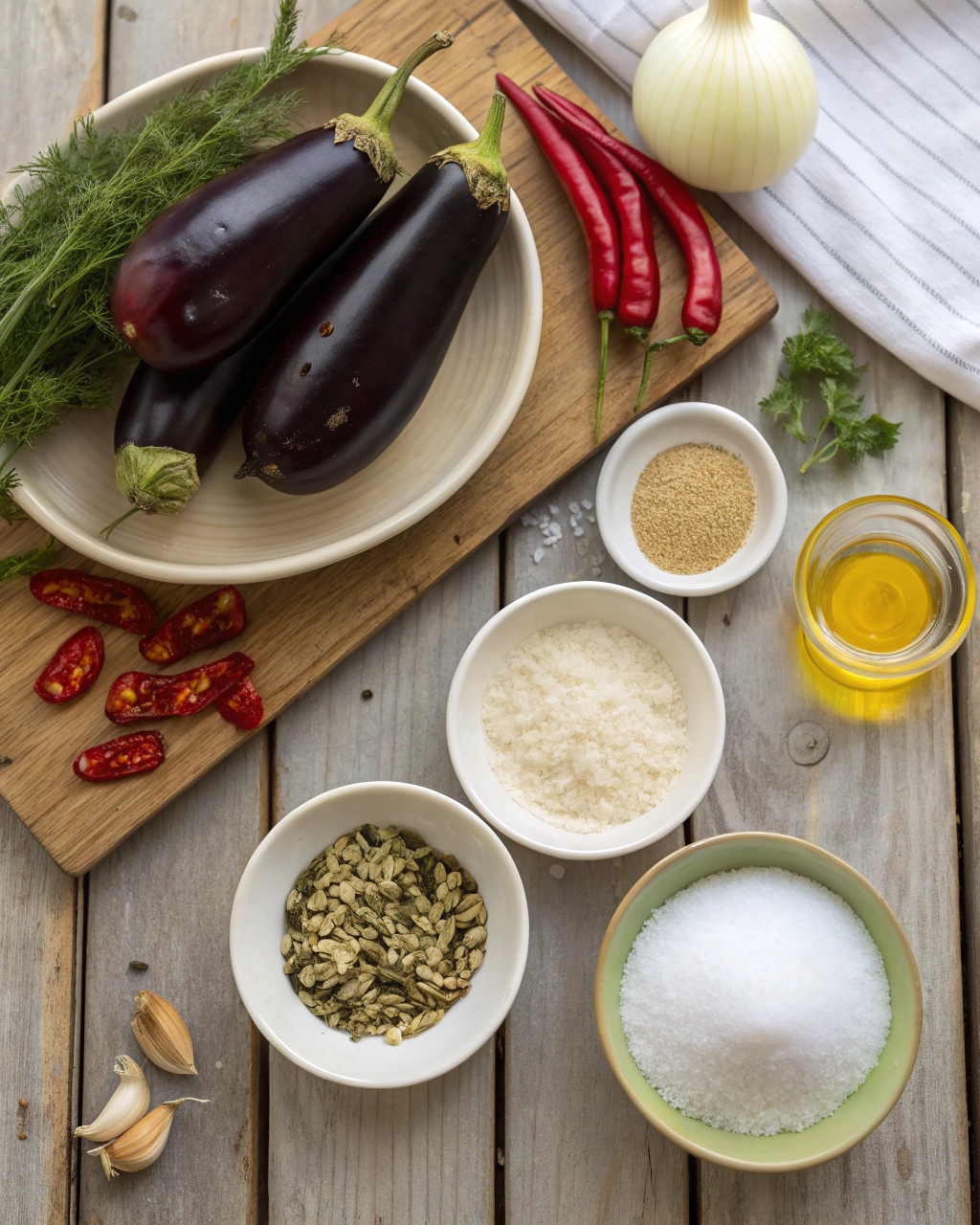
Ingredient Spotlight
Eggplant (5 kg/11 lbs): The star ingredient provides the meaty texture and mild flavor that absorbs all the aromatic seasonings. Globe eggplants work best due to their size and lower seed content. The flesh becomes tender yet maintains structure through the curing process.
Coarse Salt (1 cup): Essential for drawing out bitter juices and excess moisture from the eggplant. The coarse texture ensures even distribution and proper curing without over-salting.
White Vinegar (3 cups): Creates the acidic environment necessary for preservation while adding tangy brightness. The acidity also helps maintain the eggplant’s texture during storage.
Vegetable Oil (3 cups plus extra): Forms the preservation medium that keeps air away from the eggplant, preventing spoilage. Neutral oils like sunflower or canola won’t compete with the other flavors.
Garlic (3 cloves): Slivered garlic infuses the oil with aromatic depth and provides antimicrobial properties that aid preservation.
Dried Hot Chilis (1-2): Add warmth and complexity while contributing natural preservation qualities. Adjust quantity based on heat preference.
Oregano (2 tablespoons): This quintessentially Mediterranean herb brings earthy, slightly bitter notes that complement eggplant beautifully.
Fennel Seeds (2 teaspoons): Provide a subtle licorice-like sweetness and aromatic complexity that distinguishes this preparation from simple pickled vegetables.
Complete Ingredients List
- 5 kg (11 lbs) eggplant (8 globe variety eggplants)
- 1 cup coarse salt
- 3 cups white vinegar
- 3 cups vegetable oil (plus extra for topping)
- 3 garlic cloves, slivered
- 1-2 dried hot chilis (adjust to taste)
- 2 tablespoons dry oregano
- 2 teaspoons fennel seeds
Substitution Ideas
For a milder version, substitute bell peppers for half the chilis. Apple cider vinegar can replace white vinegar for added complexity. Fresh herbs like thyme or rosemary can substitute oregano, though quantities should be reduced by half. Sea salt works as well as coarse salt, maintaining the same measurements.
Timing
Preparation Time: 2 days 6 hours (mostly hands-off time)
Total Time: 54 hours
Servings: 3 (500ml jars)
This recipe takes 40% longer than quick-pickled vegetables but produces results that last months rather than weeks, making it incredibly efficient for long-term meal planning.
Step-by-Step Instructions for Perfect Italian Pickled Eggplant
Day 1: Salt the Eggplant
1. Wash eggplant thoroughly and dry completely with clean towels. Remove some peel in strips, creating a striped pattern that allows better salt penetration while maintaining structural integrity.
2. Slice each eggplant into 1cm rounds, then cut into matchsticks approximately ¾cm wide. Uniform sizing ensures even curing and attractive presentation.
3. Layer eggplant strips in two large non-reactive bowls (glass or ceramic), sprinkling coarse salt generously between each layer. The salt should coat each piece without being excessive.
4. Place dinner plates directly on the eggplant surface and weight down with heavy objects like canned goods or clean stones wrapped in plastic bags. This pressure helps expel moisture efficiently.
5. Let sit at room temperature for exactly 24 hours. After several hours, you may need to switch to smaller plates as the eggplant shrinks and releases liquid.
Day 2: Vinegar Treatment
6. Drain the now-darkened eggplant in a large colander, discarding the extracted liquid. The eggplant should feel noticeably firmer and darker in color.
7. Place the colander over a bowl, cover with plates, and weight down for 2-3 hours to extract remaining moisture. This step is crucial for proper texture.
8. Transfer drained eggplant back to your large bowl and stir in white vinegar until completely covered. The vinegar will initially seem like too much but will be absorbed.
9. Cover with weighted plates again and let sit for another full 24 hours. This vinegar bath adds preservation and flavor while further firming the texture.
Day 3: Final Assembly
10. Sterilize jars and lids by boiling for 10 minutes or running through a hot dishwasher cycle. Proper sterilization ensures long storage life.
11. Drain eggplant strips thoroughly in the colander, then weight down for 2-3 hours to remove excess vinegar. The goal is removing liquid while retaining flavor.
12. Squeeze handfuls of eggplant firmly to extract as much liquid as possible. This step determines the final texture, so be thorough but gentle.
13. Combine squeezed eggplant with oil, slivered garlic, torn chili pieces, oregano, and fennel seeds. Mix gently but thoroughly to distribute seasonings evenly.
14. Drizzle oil in jar bottoms, then pack eggplant mixture firmly using a fork, eliminating air pockets. Stop 2.5cm from the jar top to allow for oil coverage.
15. Pour additional oil to completely cover eggplant, ensuring no pieces are exposed to air. Tap jars gently to release trapped air bubbles.
16. Place lids loosely and let sit several hours. Add more oil if needed to maintain coverage, then tighten lids completely.
Tips & Tricks for Perfect Italian Pickled Eggplant Results
- Choose firm, glossy eggplants: Avoid any with soft spots or wrinkled skin, as these won’t hold up during the curing process.
- Don’t skip the weighting: Proper pressure during each stage is essential for removing moisture and achieving the correct texture.
- Use non-reactive bowls: Metal bowls can react with salt and vinegar, affecting flavor and potentially causing discoloration.
- Maintain oil coverage: Always keep eggplant completely submerged in oil to prevent spoilage and maintain quality.
- Test seasoning before jarring: Taste a small piece and adjust chili or oregano levels to your preference before final assembly.
Recipe Variations & Substitutions for Italian Pickled Eggplant
Mediterranean Herb Version: Add fresh basil leaves and sun-dried tomatoes for a more complex flavor profile that evokes summer gardens.
Spicy Calabrian Style: Double the chili content and add a pinch of red pepper flakes for those who love heat with their antipasto.
Gourmet Addition: Include toasted pine nuts and capers for a luxurious version perfect for special occasions or gift-giving.
Dietary-Friendly Option: This recipe is naturally vegan, gluten-free, and keto-friendly, making it suitable for most dietary restrictions without modifications.
Behind the Recipe
This Italian Pickled Eggplant recipe comes from generations of Italian home cooks who understood that the best preserved foods require patience and respect for traditional techniques. The three-day process isn’t just about preservation; it’s about transformation. Each stage serves a specific purpose: salt-curing removes bitterness and excess water, vinegar treatment adds acidity for preservation and flavor, and oil immersion creates an anaerobic environment that keeps the eggplant fresh for months. This methodical approach reflects the Italian philosophy that good food cannot be rushed, and the best flavors develop through time and careful attention to detail.
Pairing Ideas
Italian Pickled Eggplant shines as part of an antipasto platter alongside olives, aged cheeses, and crusty bread. Serve with sparkling water infused with lemon and mint, or try it with herbal iced teas that complement the Mediterranean herbs. The tangy, oil-rich eggplant pairs beautifully with fresh mozzarella and tomatoes, creating an elevated caprese-style salad. For beverages, consider freshly squeezed lemonade with herbs, or sparkling grape juice for a more festive presentation.
Leftover & Reuse Ideas
Transform leftover Italian Pickled Eggplant into pasta sauce by chopping roughly and tossing with hot pasta and fresh herbs. The seasoned oil makes an excellent bread dip or salad dressing base. Chop finely and mix into cream cheese for an instant gourmet spread. Add to grain salads for Mediterranean flair, or incorporate into frittatas and quiches for breakfast dishes with sophisticated flavor. The eggplant also works wonderfully in sandwiches and wraps, providing both flavor and moisture.
Nutritional Information
Per 2-tablespoon serving: Approximately 45 calories, 4g fat, 2g carbohydrates, 1g fiber, 0.5g protein. Eggplant provides potassium, fiber, and antioxidants including nasunin, which gives the purple skin its color. The olive oil contributes healthy monounsaturated fats, while herbs and spices add various beneficial compounds. This preserved eggplant is naturally low in sodium compared to many pickled products, as excess salt is removed during the curing process.
Serving Suggestions
Present Italian Pickled Eggplant in small bowls as part of an antipasto spread, garnished with fresh herbs and accompanied by small spoons or forks. Layer on toasted baguette slices for elegant appetizers, or arrange alongside grilled vegetables for a colorful Mediterranean plate. The rich purple color and glistening oil coating make it visually striking, so consider clear glass serving dishes that showcase its beauty. Provide small plates and napkins, as the oil content makes this a slightly messy but delicious finger food.
Common Mistakes to Avoid
Insufficient draining: Skipping or rushing the drainage steps results in watery, mushy eggplant that won’t keep well. Each drainage period serves a specific purpose in achieving proper texture.
Using the wrong salt: Table salt dissolves too quickly and can over-salt the eggplant, while coarse salt provides controlled, even curing.
Inadequate oil coverage: Any exposed eggplant will spoil quickly. Always maintain complete oil coverage, adding more as needed during storage.
Dirty equipment: Non-sterile jars or utensils can introduce harmful bacteria. Proper sterilization is essential for safe, long-term storage.
Wrong eggplant variety: Very large or overripe eggplants may become too soft during processing. Choose firm, medium-sized globe eggplants for best results.
Storage & Reheating Tips
Store unopened jars in a cool, dark place for up to 6 months, or refrigerate for up to 1 year. Once opened, refrigerate and use within 2-3 weeks, always ensuring eggplant remains covered with oil. If oil solidifies in the refrigerator, let it come to room temperature before serving. Never reheat this preserved eggplant, as it’s designed to be enjoyed at room temperature or slightly chilled. To maintain freshness, always use clean utensils when removing portions, and add fresh oil if levels drop below the eggplant surface. The flavor actually improves over the first few weeks as the seasonings meld together.
FAQs
How long does Italian Pickled Eggplant last? Properly prepared and stored Italian Pickled Eggplant keeps 6 months unopened in a cool, dark place, or up to 1 year refrigerated. Once opened, consume within 2-3 weeks while refrigerated.
Can I make Italian Pickled Eggplant with different vegetables? Yes, this technique works well with zucchini, bell peppers, or mushrooms, though timing may need adjustment based on the vegetable’s moisture content and density.
Why is my Italian Pickled Eggplant mushy? Mushiness usually results from insufficient drainage time, using overripe eggplant, or skipping the weighting steps that remove excess moisture.
What’s the best oil for Italian Pickled Eggplant? Neutral oils like sunflower, canola, or light olive oil work best, as they won’t overpower the delicate eggplant flavor or solidify heavily when refrigerated.
Can I reduce the salt in Italian Pickled Eggplant? The salt amount is crucial for proper moisture extraction and preservation. Reducing it significantly may result in poor texture and shorter storage life.
Conclusion
Italian Pickled Eggplant
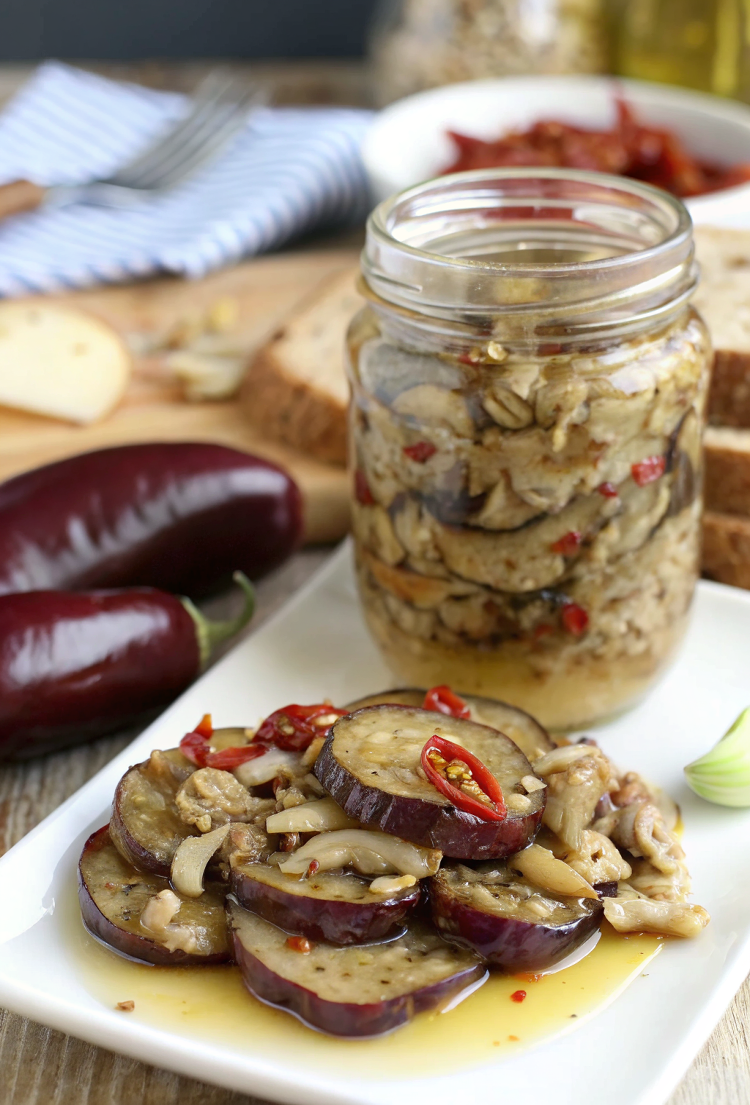
This traditional Italian Pickled Eggplant recipe transforms simple ingredients into a sophisticated antipasto that captures the essence of Mediterranean cuisine. The three-day process may require patience, but the results reward you with months of delicious, ready-to-serve appetizers that improve with age. Whether you’re planning ahead for entertaining, preserving garden abundance, or simply wanting to experience authentic Italian flavors, this time-tested technique delivers exceptional results. The tender, flavorful eggplant strips, infused with garlic, herbs, and gentle heat, represent centuries of Italian culinary wisdom in every jar. Made this recipe? Drop your twist in the comments, rate the recipe, and tag us on Facebook, Instagram with #recipehoney.com we might feature your creation!
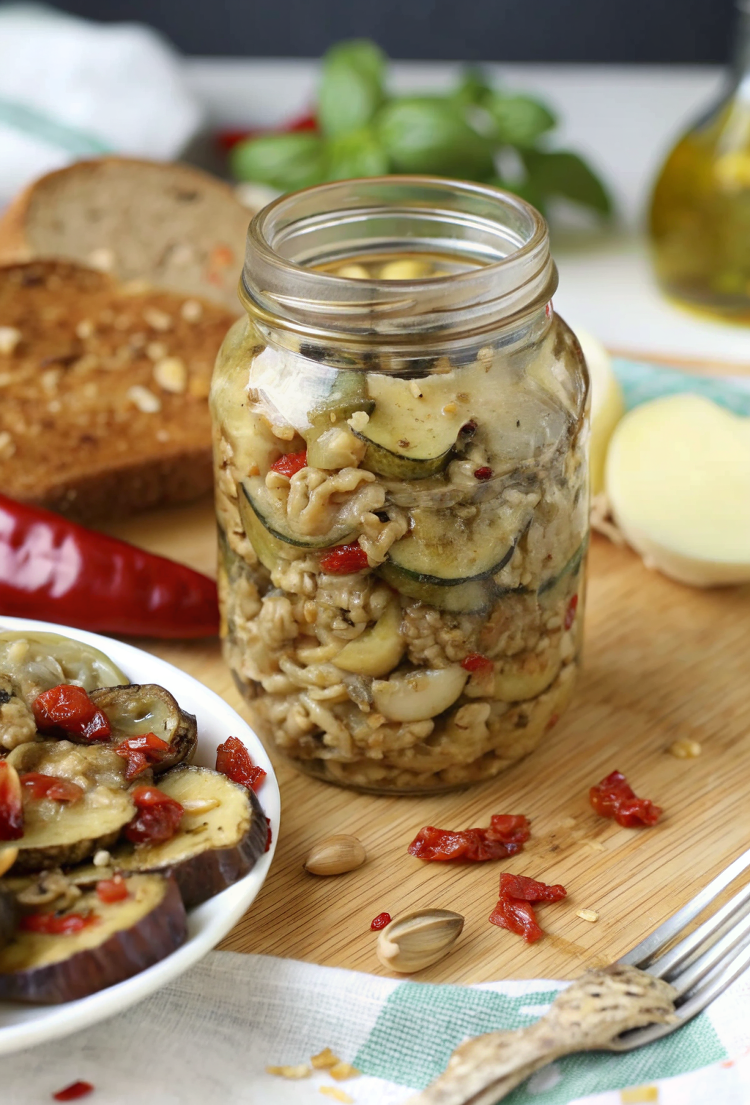
Italian Pickled Eggplant: How to Make the Best Antipasto
Ingredients
Instructions
- Day 1: Prepare and Salt Eggplant: Wash eggplant and dry well. Remove some peel if desired. Slice into 1 cm rounds, then into matchsticks. Place in large non-reactive bowls, layering with coarse salt. Cover with a plate, weigh down with a heavy object, and let sit for 24 hours.
- Day 2: Drain and Marinate in Vinegar: Drain eggplant in a colander. Place over a bowl, cover with a plate, and weigh down for 2-3 hours to remove excess water. Transfer back to the bowl, stir in white vinegar. Weigh down again for another 24 hours.
- Day 3: Pack Jars: Sterilize jars. Drain eggplant and weigh down for 2-3 hours. Squeeze out remaining water by hand. Toss eggplant with oil, garlic, chili, oregano, and fennel seeds. Drizzle oil in jars, pack eggplant tightly, leaving 2.5 cm space. Cover with oil. Let sit a few hours, top up oil if needed, then seal tightly.