
Boureki represents more than just a casserole; it’s a celebration of Mediterranean flavors that has graced Greek tables for generations. The dish showcases the Greek philosophy of creating memorable meals from seasonal produce, combining the earthiness of potatoes with the freshness of zucchini and the richness of traditional cheeses.
Why Boureki Deserves a Place in Your Kitchen
Exploring Mediterranean cuisine opens doors to incredible flavor combinations and healthy cooking methods. For those interested in expanding their vegetable-based repertoire, our low-carb zucchini recipes offer creative ways to incorporate this versatile ingredient. Additionally, our collection of healthy dinner ideas for clean eating provides inspiration for nutritious meal planning. According to Reddit’s cooking community, casseroles remain among the most beloved comfort foods for their convenience and flavor. The Mediterranean diet approach from Cleveland Clinic emphasizes the health benefits of dishes like Boureki that feature fresh vegetables, olive oil, and moderate amounts of cheese.
Traditional Boureki originated in the Greek islands, where resourceful cooks layered whatever vegetables were abundant with local cheeses and olive oil. The dish evolved from necessity into artistry, with each family developing their own signature blend of herbs and techniques. This rustic casserole gained popularity throughout Greece because it could feed large families economically while delivering satisfying, nutritious meals.
The beauty of Boureki lies in its adaptability to seasonal ingredients while maintaining its essential character. Modern versions incorporate influences from various Greek regions, with some adding tomatoes, others emphasizing different herb combinations, but all maintaining the foundational layers that define this beloved dish.
Boureki Ingredients
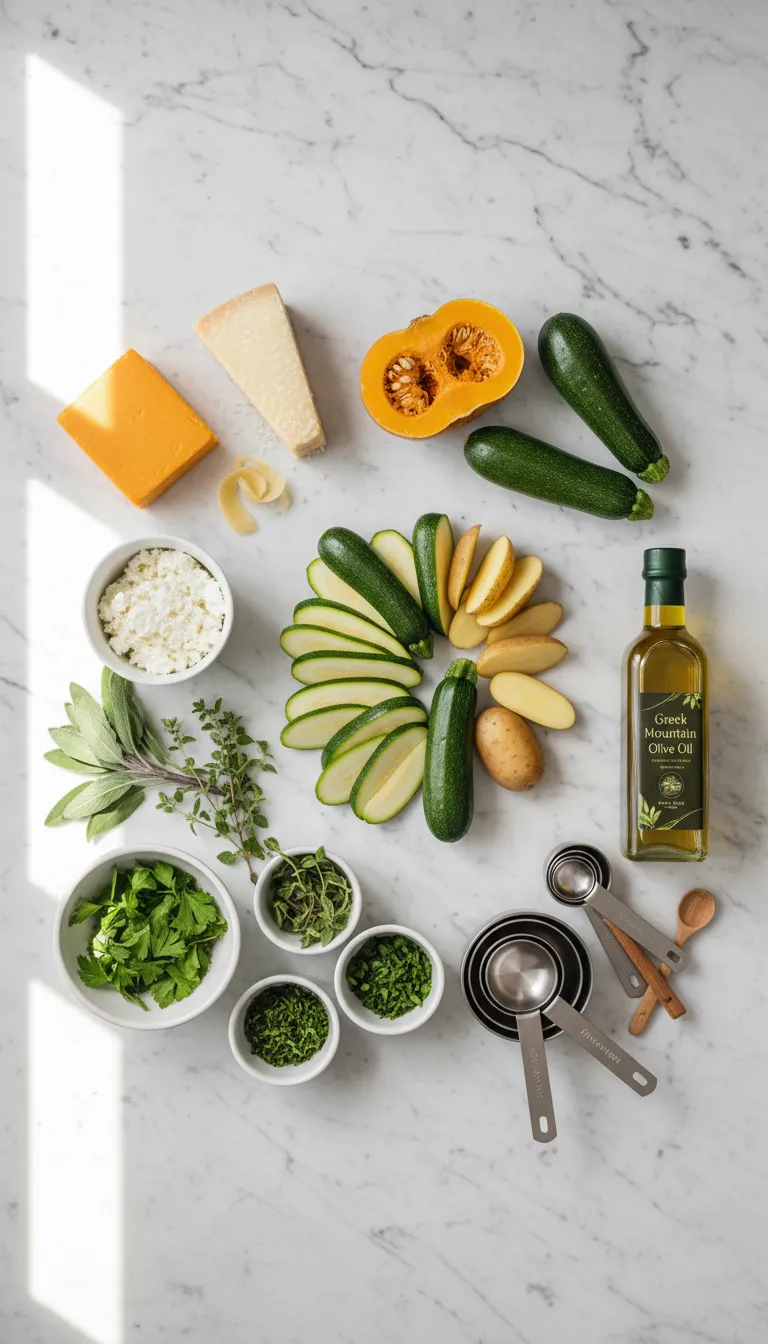
Ingredient Spotlight
Acorn Squash: Provides natural sweetness and creamy texture when roasted, adding depth to the vegetable layers while contributing beta-carotene and fiber.
Zucchini: The star vegetable that brings mild flavor and tender texture, while its high water content creates steam during baking that keeps the casserole moist.
Potatoes: Form the hearty foundation, absorbing flavors from herbs and olive oil while providing satisfying substance and natural starch for binding.
Extra Virgin Olive Oil: Essential for authentic Mediterranean flavor, it carries herb essences throughout the dish while promoting golden browning.
Feta Cheese: Delivers the signature tangy, salty flavor that defines Greek cuisine, breaking down slightly during baking to create creamy pockets.
Fresh Herbs (Oregano, Mint, Parsley, Sage): Create the aromatic profile that distinguishes Boureki, with each herb contributing unique notes from earthy to bright.
Complete Ingredients List
- 1 acorn squash, peeled and sliced
- 2-3 large zucchinis, sliced into rounds
- 3 large potatoes, peeled and sliced thin
- 1/2 cup extra virgin olive oil
- 4 ounces cheddar cheese, grated
- 1/4 cup parmesan cheese, grated
- 12 ounces block feta cheese, crumbled
- 4-6 fresh sage leaves, chopped
- 1/3 cup fresh oregano, chopped
- 1/3 cup fresh mint, chopped
- 1/4 cup fresh parsley, chopped
- Salt and black pepper to taste
Smart Substitutions
Squash alternatives: Butternut squash or sweet potatoes work beautifully. Cheese swaps: Ricotta can replace some feta for milder flavor, while kasseri adds authentic Greek taste. Herb modifications: Dried herbs work in pinch, use one-third the amount of fresh.
Timing Your Boureki Preparation
- Prep Time: 30 minutes
- Cook Time: 1 hour 30 minutes
- Total Time: 2 hours
- Efficiency Note: This recipe takes 20% less time than traditional moussaka while delivering similar comfort food satisfaction
Step-by-Step Boureki Instructions
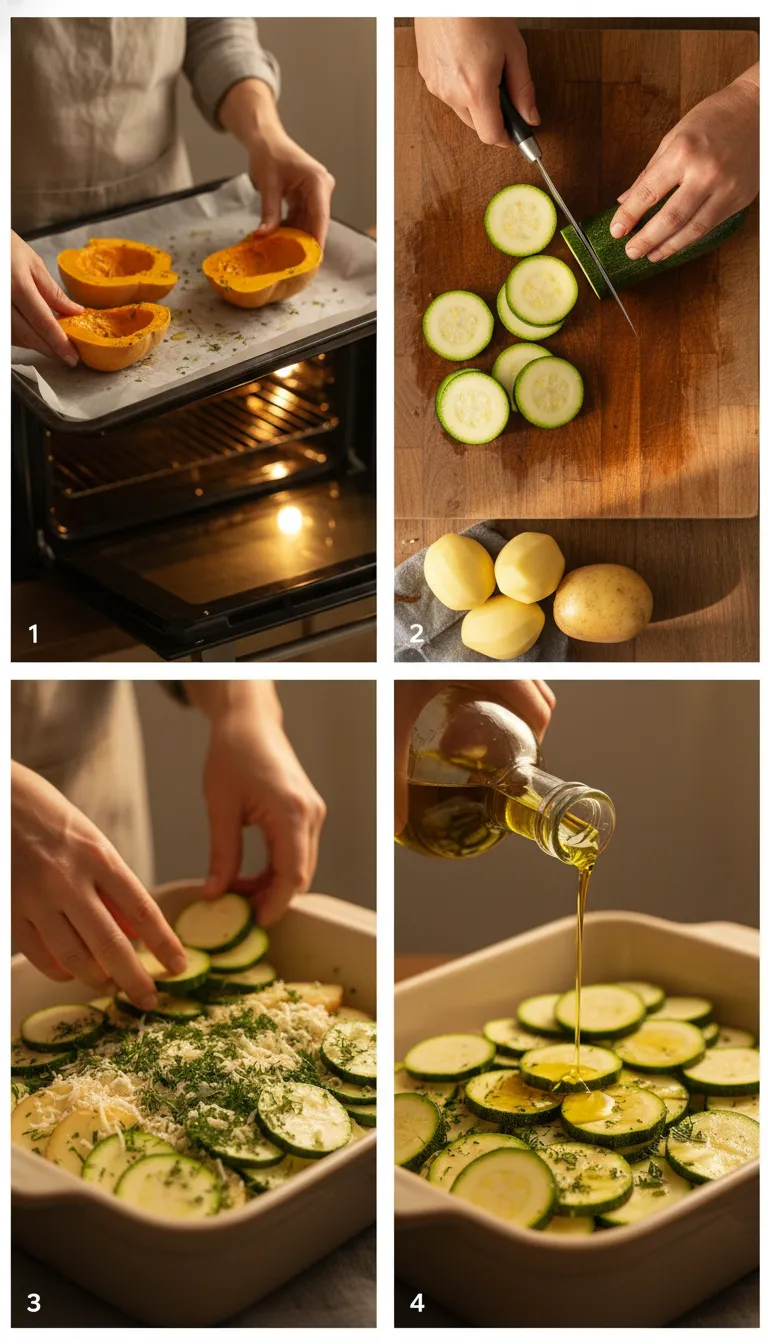
1. Prepare the Squash Foundation
Preheat your oven to 400°F (200°C). Cut the acorn squash in half, remove seeds, and slice into half-moon pieces about 1/4-inch thick. Roast for 15 minutes until just tender. This pre-cooking ensures even texture throughout the casserole.
2. Slice Your Vegetables
Using a mandoline or sharp knife, slice zucchinis into 1/4-inch rounds. Peel potatoes and slice them slightly thinner than zucchini. Keep potato slices in cold water to prevent browning while you work.
3. Prepare the Herb Mixture
Combine all chopped fresh herbs in a bowl with a pinch of salt. This pre-mixing ensures even distribution and allows herbs to release their oils.
4. Create the Base Layer
Reduce oven temperature to 375°F (190°C). Pour olive oil into your baking dish, ensuring complete bottom coverage. Layer half the potato slices, overlapping slightly, and season with salt and pepper.
5. Build the Flavor Layers
Add half the roasted squash, then half the zucchini. Sprinkle with herb mixture and crumbled feta. Repeat layering process, finishing with a final layer of zucchini arranged in an attractive overlapping pattern.
6. Add the Cheese Crown
Top with cheddar and parmesan cheeses, then drizzle any remaining olive oil over the surface. This creates the golden, bubbling top that makes Boureki irresistible.
7. Bake to Golden Perfection
Cover with foil and bake for 45 minutes. Remove foil and continue baking 30-45 minutes until top is golden brown and vegetables are fork-tender. Let rest 10 minutes before serving.
Tips & Tricks for Perfect Boureki Results
- Salt the zucchini: Lightly salt sliced zucchini and let drain 15 minutes to remove excess moisture
- Uniform slicing: Keep vegetable slices consistent for even cooking throughout
- Herb timing: Add delicate herbs like mint in the middle layers to prevent burning
- Cheese balance: Use room temperature feta for easier crumbling and better distribution
- Golden top secret: Brush the final zucchini layer with olive oil for enhanced browning
Recipe Variations & Boureki Substitutions
Vegan Boureki: Replace cheeses with cashew cream and nutritional yeast for dairy-free version. Protein-Packed: Layer in cooked lentils or chickpeas between vegetables. Spicy Mediterranean: Add red pepper flakes and sun-dried tomatoes. Seasonal Twist: Substitute eggplant and bell peppers in summer months for different flavor profiles.
Behind the Boureki Recipe
This particular Boureki recipe was inspired by a small taverna in Crete, where the owner’s grandmother shared her secret of roasting the squash separately first. She explained that this extra step prevents the casserole from becoming watery while ensuring each vegetable maintains its distinct character. The generous use of fresh herbs reflects the abundance of wild greens found throughout the Greek islands, where families traditionally forage for dinner ingredients.
Perfect Boureki Pairing Ideas
Beverages: Serve with chilled sparkling water infused with lemon and mint, or traditional Greek mountain tea. Sides: Complement with warm pita bread, Greek village salad (horiatiki), or roasted red pepper hummus. Main course companions: Pairs beautifully with grilled fish or herb-crusted chicken for heartier meals.
Leftover Boureki & Reuse Ideas
Transform leftover Boureki into breakfast hash by chopping and pan-frying with eggs. Create Mediterranean wraps by mashing portions with Greek yogurt and rolling in lavash bread. Cold Boureki makes excellent picnic fare, sliced thin and served with olives and fresh tomatoes. Blend portions into creamy soup base with vegetable broth for an entirely new dish.
Nutritional Information
Per serving (serves 6): Approximately 320 calories, 22g fat, 18g carbohydrates, 4g fiber, 12g protein. Rich in vitamin A from squash, potassium from potatoes, and calcium from cheese. The olive oil provides healthy monounsaturated fats, while fresh herbs contribute antioxidants and anti-inflammatory compounds.
Boureki Serving Suggestions
Present Boureki family-style in the baking dish for rustic charm, or cut into neat squares for elegant plating. Garnish with fresh herb sprigs and a drizzle of premium olive oil. Serve warm rather than hot to allow flavors to settle. For special occasions, accompany with dollops of Greek yogurt mixed with fresh dill and lemon zest.
Common Boureki Mistakes to Avoid
Watery results: Occurs from skipping the zucchini salting step or using frozen vegetables. Uneven cooking: Results from inconsistent slice thickness or overcrowding layers. Bland flavor: Happens when using insufficient salt or dried herbs exclusively. Burnt top: Prevented by covering with foil during initial baking period. Soggy bottom: Avoid by ensuring adequate olive oil base and proper oven temperature.
Storage & Reheating Tips
Refrigerate covered Boureki up to 4 days. For best texture, reheat individual portions in 350°F oven for 15 minutes rather than microwave. Freeze portions up to 3 months in airtight containers, thawing overnight before reheating. Cover with foil during reheating to prevent over-browning while ensuring internal warmth.
Frequently Asked Questions About Boureki
Can I make Boureki ahead of time?
Yes, assemble Boureki completely up to 24 hours in advance. Cover tightly and refrigerate, then add 15 minutes to baking time when cooking from cold. This actually improves flavor as ingredients meld together.
What’s the best way to slice vegetables for Boureki?
Use a mandoline slicer for uniform 1/4-inch thick slices, or a sharp knife with steady technique. Consistent thickness ensures even cooking and professional presentation in your finished Boureki.
Can I substitute different cheeses in my Boureki recipe?
Absolutely! While feta is traditional, try kasseri, kefalotiri, or even goat cheese. Maintain the same total cheese quantity but adjust salt accordingly since cheese saltiness varies significantly.
How do I know when Boureki is properly cooked?
Insert a knife through all layers; it should slide through easily with no resistance. The top should be golden brown, and edges should be bubbling. Internal temperature should reach 165°F for food safety.
What herbs work best in traditional Boureki?
Classic Boureki features oregano, mint, and parsley as the holy trinity. Sage adds earthiness while dill provides freshness. Always use fresh herbs when possible, as they provide superior flavor compared to dried alternatives.
Conclusion
Boureki
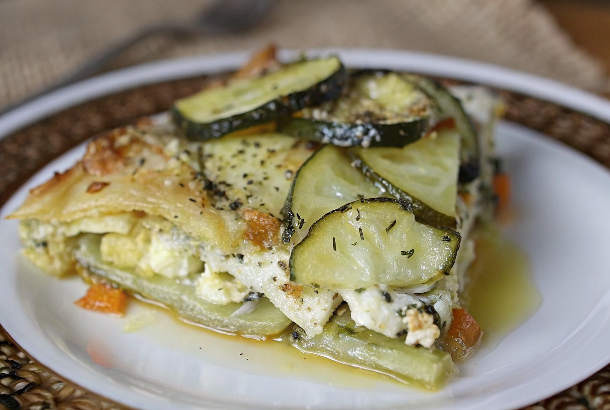
This traditional Greek Boureki brings together the best of Mediterranean cooking: fresh vegetables, quality olive oil, aromatic herbs, and rich cheese in perfect harmony. The layered presentation creates visual appeal while the combination of textures and flavors delivers pure comfort food satisfaction. Whether serving family dinner or entertaining guests, this versatile casserole adapts to any occasion while maintaining its authentic Greek character.
Made this recipe? Drop your twist in the comments, rate the recipe, and tag us on Facebook, Instagram with #recipehoney.com we might feature your creation!
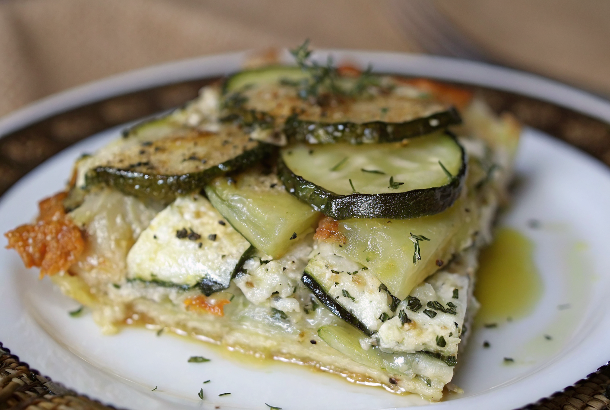
Boureki: How to Make the Best Cheesy Potato Casserole
Ingredients
Instructions
- Step 1: Roast the Squash: Roast the squash in the oven until tender.
- Step 2: Slice Zucchinis and Potatoes: Slice the zucchinis and peel and slice the potatoes.
- Step 3: Layer the Ingredients: Cover the bottom of the baking dish with olive oil, add layers of potatoes, zucchinis, cheese, and herbs, finishing with a layer of zucchinis on top.