
This vegetarian twist on the classic Italian dish combines tender zucchini, fresh spinach, and sweet peas layered between perfectly cooked pasta sheets and creamy ricotta cheese. The result is a nutritious meal that doesn’t sacrifice flavor for health benefits, making it perfect for family dinners or entertaining guests who appreciate fresh, seasonal cooking.
Why Spring Vegetable Lasagna Matters
Understanding the art of vegetable-forward cooking opens doors to countless culinary possibilities. For those looking to expand their repertoire beyond traditional pasta dishes, exploring homemade lasagna techniques provides essential foundation skills. Additionally, incorporating seasonal vegetables like zucchini into your cooking routine becomes easier when you master low-carb zucchini preparation methods. For comprehensive guidance on Italian cooking fundamentals, the community discussions at How do I start with cooking Italian food? : r/ItalianFood – Reddit offer valuable insights from experienced home cooks. Those seeking plant-based inspiration will find endless creativity at r/vegetarianrecipes – Reddit, where passionate cooks share innovative approaches to vegetarian cuisine.
Spring vegetable lasagna represents more than just a seasonal dish; it embodies the Italian philosophy of cooking with what’s fresh and available. Originating from the fertile regions of Northern Italy, where vegetables play starring roles in traditional cuisine, this style of lasagna evolved as a way to celebrate the abundance of spring harvests. Unlike heavy winter versions loaded with multiple meats, spring variations focus on highlighting the natural sweetness and textures of young vegetables.
The evolution of vegetable lasagna reflects changing dietary preferences and increased awareness of plant-based nutrition. Modern interpretations maintain the soul-satisfying qualities of traditional lasagna while incorporating lighter, more nutritious ingredients that don’t compromise on flavor or satisfaction.
Spring Vegetable Lasagna Ingredients
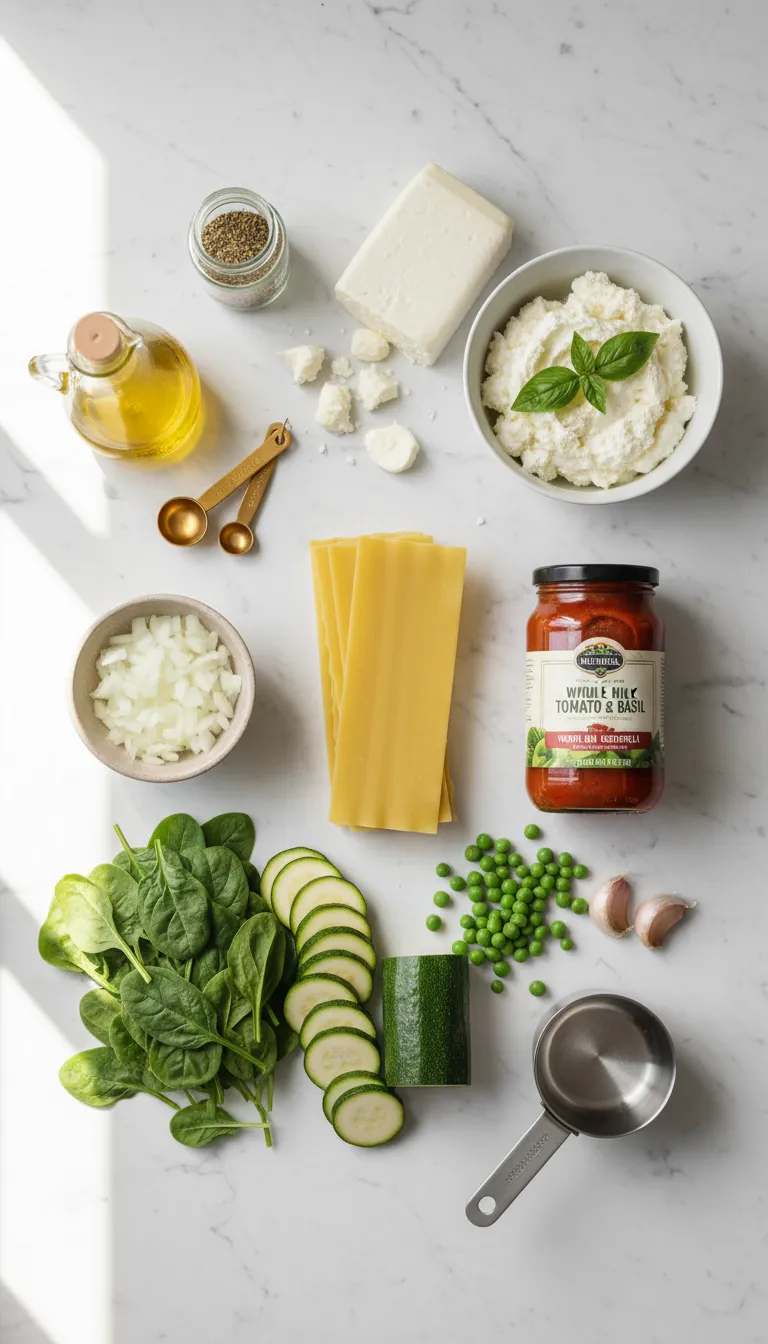
Ingredient Spotlight
Ricotta Cheese Blend: The combination of non-fat and whole milk ricotta creates the perfect balance of creaminess and lightness. The non-fat variety provides structure while the whole milk version adds richness without overwhelming heaviness. Fresh nutmeg elevates this mixture, adding warmth and complexity that complements the vegetables beautifully.
Zucchini: When sliced thin and properly cooked, zucchini becomes tender yet maintains slight texture, preventing the lasagna from becoming mushy. Its mild flavor absorbs surrounding seasonings while contributing essential moisture and nutrients.
Fresh Spinach: Four cups of fresh spinach wilts down significantly during cooking, concentrating its earthy flavor and providing vibrant color contrast. Spinach adds iron, vitamins, and a subtle mineral note that balances the creamy cheese layers.
Marinara Sauce: Quality marinara sauce serves as the flavor foundation, binding all elements together while providing acidity that cuts through rich cheese layers. Choose a sauce with balanced sweetness and herb complexity.
Complete Ingredient List
- 12 lasagna noodles
- 1/2 cup onion, diced
- 1 tablespoon olive oil
- 1 teaspoon dried Italian seasoning
- 1/4 teaspoon red pepper flakes
- 1 garlic clove, minced
- 4 cups fresh spinach
- 2 zucchini, thinly sliced
- 1 cup peas, thawed if frozen
- 1 pound non-fat ricotta cheese
- 1 pound whole milk ricotta cheese
- 1/4 teaspoon fresh grated nutmeg
- 5 cups marinara sauce
- 1 cup shredded mozzarella cheese
Substitution Ideas
Cheese Alternatives: Replace ricotta with cottage cheese for tangier flavor, or use cashew-based ricotta for dairy-free versions. Part-skim mozzarella works well for lighter results.
Vegetable Swaps: Substitute asparagus for zucchini, or add roasted bell peppers for smoky sweetness. Frozen spinach can replace fresh; just ensure thorough drainage.
Pasta Options: Whole wheat lasagna noodles add fiber and nutty flavor, while no-boil noodles save preparation time.
Timing
Preparation Time: 15 minutes
Total Time: 1 hour 5 minutes
This Spring Vegetable Lasagna cooks 20% faster than traditional meat lasagna versions, thanks to pre-cooked vegetables that require less oven time to achieve perfect tenderness. The streamlined preparation process makes it ideal for weeknight dinners when time is precious but flavor cannot be compromised.
Step-by-Step Instructions
Step 1: Prepare the Pasta
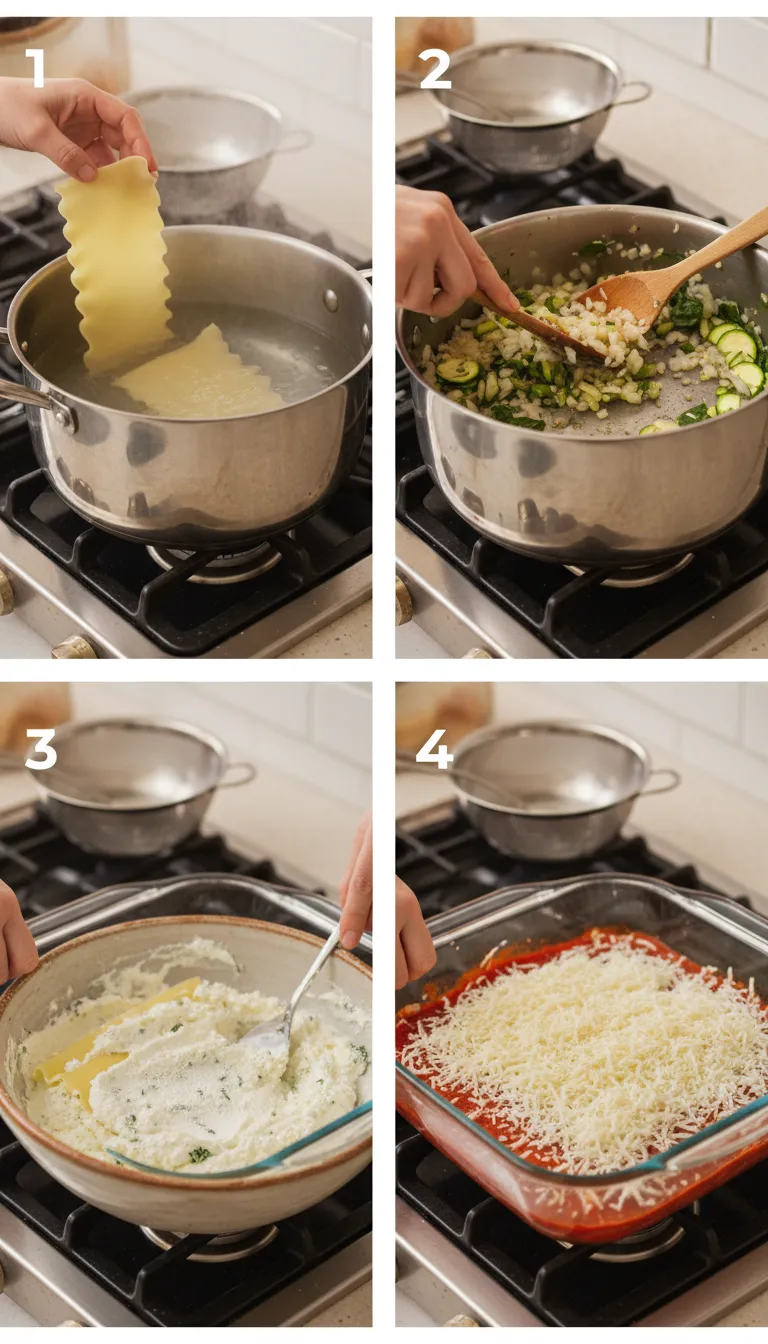
Bring a large pot of generously salted water to a rolling boil. Add lasagna noodles and cook until just al-dente, about 8-10 minutes. The pasta will continue cooking in the oven, so slightly undercooking prevents mushy results. Drain immediately and rinse with cold water to stop cooking. Lay noodles flat on a clean kitchen towel to prevent sticking.
Step 2: Sauté the Vegetables
Heat olive oil in a large saucepan over medium heat. Add diced onion and cook for 3-4 minutes until translucent and fragrant. Stir in Italian seasoning, red pepper flakes, and minced garlic, cooking for 30 seconds until aromatic. Add spinach, sliced zucchini, and peas, cooking for 10 minutes until spinach wilts completely, peas are heated through, and zucchini becomes tender but not mushy. Remove from heat and drain any excess liquid to prevent watery lasagna.
Step 3: Prepare Cheese Mixture
In a separate bowl, combine both ricotta cheeses and freshly grated nutmeg. Mix thoroughly until smooth and well-incorporated. The nutmeg adds subtle warmth that elevates the entire dish without overpowering delicate vegetable flavors.
Step 4: Begin Assembly
Preheat oven to 375°F. Spread 3/4 cup marinara sauce evenly across the bottom of a 9×13 inch glass baking dish. This sauce layer prevents noodles from sticking and adds moisture during baking.
Step 5: First Layer Construction
Arrange 4 lasagna noodles over the sauce (3 vertically, 1 horizontally for complete coverage). Spread half the ricotta mixture evenly over noodles, followed by half the vegetable mixture. Top with 1 1/2 cups marinara sauce, spreading gently to cover completely.
Step 6: Second Layer Assembly
Add another layer of 4 noodles, remaining ricotta mixture, remaining vegetables, and another 1 1/2 cups sauce. Each layer should be evenly distributed for consistent flavor in every bite.
Step 7: Final Layer and Baking
Top with final 4 noodles and remaining 1 1/4 cups sauce. Sprinkle mozzarella cheese evenly over the surface. Cover loosely with foil and bake for 40 minutes. Remove foil and continue baking 10 minutes until bubbly, hot throughout, and cheese is golden.
Tips & Tricks for Perfect Spring Vegetable Lasagna
- Drain vegetables thoroughly: Excess moisture creates soggy lasagna. Pat zucchini slices with paper towels and squeeze spinach dry.
- Let it rest: Allow lasagna to cool 10-15 minutes before cutting. This resting period helps layers set for clean, beautiful slices.
- Use quality marinara: Since sauce is prominent, choose one with balanced acidity and herb complexity that complements rather than competes with vegetables.
- Pre-cook vegetables completely: Raw vegetables release moisture during baking, compromising texture. Fully cooked vegetables maintain structure and concentrated flavors.
- Cover initially, uncover to finish: Foil prevents excessive browning while ensuring thorough heating. Removing it creates attractive golden cheese topping.
Recipe Variations & Substitutions
Mediterranean Spring Lasagna: Add sun-dried tomatoes, artichoke hearts, and fresh basil for Mediterranean flair. Replace mozzarella with feta and parmesan blend.
Protein-Enhanced Version: Layer in grilled chicken strips or seasoned ground turkey between vegetable layers for heartier results.
Vegan Spring Vegetable Lasagna: Substitute cashew-based ricotta and nutritional yeast for cheese layers. Use plant-based mozzarella for topping.
Gluten-Free Option: Replace traditional noodles with gluten-free lasagna sheets or thinly sliced roasted eggplant for low-carb alternative.
Behind the Recipe
This Spring Vegetable Lasagna emerged from a desire to capture spring’s fleeting beauty in a comforting, substantial dish. The inspiration came during a farmers market visit where vibrant green vegetables practically begged to be transformed into something special. Traditional lasagna techniques provide the foundation, while seasonal vegetables bring freshness and lightness that celebrates spring’s renewal.
The careful balance of textures and flavors reflects Italian cooking principles: let quality ingredients shine through simple, thoughtful preparation. Each component serves a purpose, from nutmeg’s warming spice to zucchini’s subtle sweetness, creating harmony that satisfies both comfort food cravings and nutritional needs.
Pairing Ideas
Beverage Pairings: Serve with sparkling water infused with lemon and herbs, or fresh-pressed vegetable juices that complement the dish’s garden-fresh theme. Herbal teas like chamomile or mint provide soothing contrasts to rich cheese layers.
Side Dishes: A crisp arugula salad with lemon vinaigrette cuts through richness beautifully. Garlic bread or focaccia provides textural contrast, while roasted asparagus or green beans extend the spring vegetable theme.
Leftover & Reuse Ideas
Transform leftover Spring Vegetable Lasagna into individual portions by cutting into squares and wrapping for easy reheating. Crumbled pieces make excellent filling for stuffed peppers or omelets. Cold lasagna can be diced and added to grain bowls or salads for protein and flavor complexity.
Repurpose ingredients by using extra ricotta mixture as a spread for sandwiches or dip for vegetables. Remaining marinara sauce works perfectly for pasta dishes or as pizza sauce base.
Nutritional Information
Each serving provides approximately 320 calories with 18 grams protein, 12 grams fat, and 35 grams carbohydrates. The vegetable combination delivers significant vitamin A, vitamin K, folate, and fiber. Ricotta cheese contributes calcium and protein while maintaining moderate calorie content.
The dish offers balanced macronutrients suitable for various dietary approaches while providing substantial vegetable servings that contribute to daily nutritional goals.
Serving Suggestions
Present Spring Vegetable Lasagna on warmed plates to maintain temperature longer. Garnish with fresh basil leaves or a light sprinkle of parmesan cheese for visual appeal. Cut with a sharp knife for clean edges that showcase beautiful layers.
For elegant presentation, allow each slice to rest briefly before plating, then add a small side salad and artisanal bread for complete meal satisfaction.
Common Mistakes to Avoid
Oversaturated vegetables: Failing to drain cooked vegetables properly creates watery lasagna with compromised texture. Always press out excess moisture before layering.
Overcooked pasta: Noodles continue cooking in the oven, so slightly undercooking prevents mushy results. Al-dente texture before assembly ensures perfect final consistency.
Insufficient resting time: Cutting immediately after baking causes layers to slide apart. Proper resting allows cheese to set and flavors to meld.
Uneven layering: Inconsistent distribution creates bites with unbalanced flavors. Take time to spread each component evenly for consistent results throughout.
Storage & Reheating Tips
Store covered Spring Vegetable Lasagna in the refrigerator for up to 4 days. For longer storage, wrap individual portions tightly and freeze for up to 3 months. Thaw overnight in refrigerator before reheating.
Reheat in 350°F oven for 15-20 minutes until heated through, covering with foil to prevent excessive browning. Microwave individual portions on medium power, checking frequently to ensure even heating without overcooking edges.
FAQs
Can I make Spring Vegetable Lasagna ahead of time?
Yes, assemble completely and refrigerate up to 24 hours before baking. Add 10-15 minutes to cooking time if baking directly from refrigerator temperature.
How do I prevent Spring Vegetable Lasagna from becoming watery?
Thoroughly drain all cooked vegetables and pat zucchini slices dry with paper towels. Pre-cooking vegetables removes excess moisture that could compromise texture.
What’s the best way to slice Spring Vegetable Lasagna cleanly?
Use a sharp knife and allow the lasagna to rest 10-15 minutes after baking. Clean the knife between cuts for the neatest presentation.
Can I substitute different vegetables in this Spring Vegetable Lasagna?
Absolutely! Try asparagus, bell peppers, or mushrooms. Ensure vegetables are pre-cooked and well-drained to maintain proper texture.
How many servings does this Spring Vegetable Lasagna recipe make?
This recipe yields 12 generous servings, making it perfect for family meals or entertaining guests with plenty of delicious leftovers.
Conclusion
Spring Vegetable Lasagna
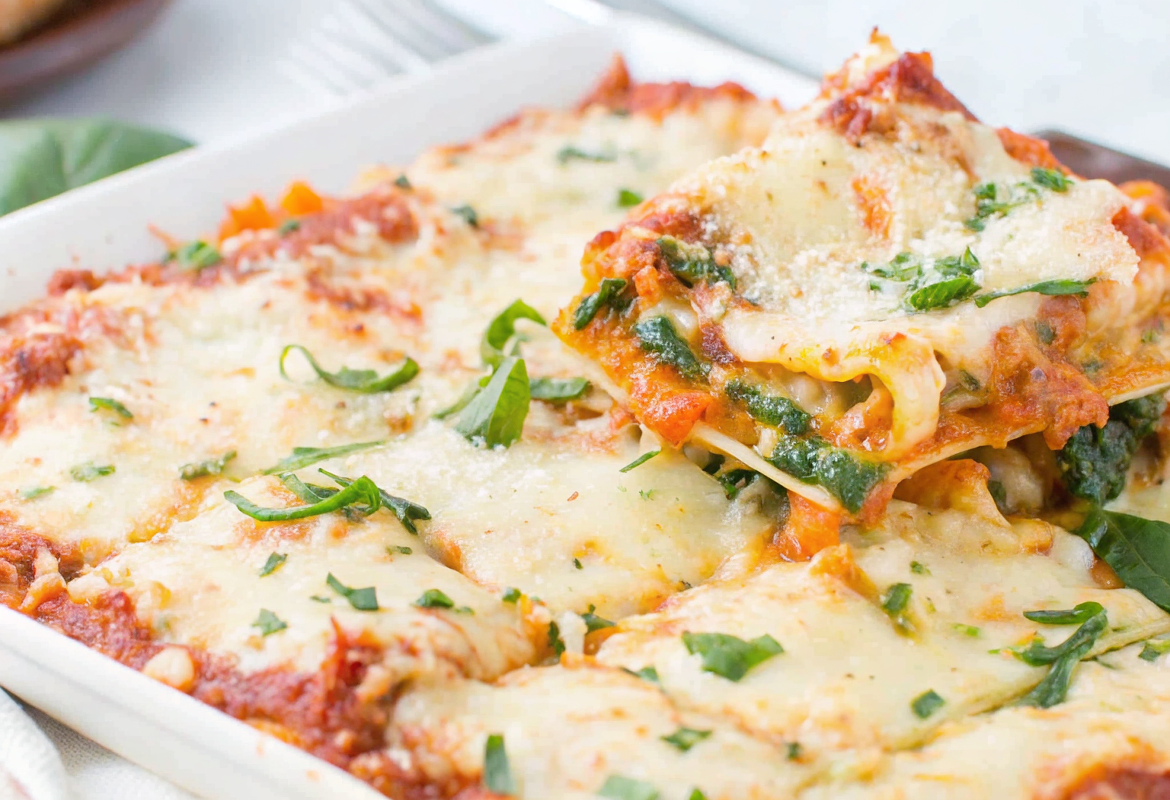
This Spring Vegetable Lasagna proves that comfort food can be both satisfying and nutritious without sacrificing flavor or appeal. The combination of seasonal vegetables, creamy ricotta, and perfectly layered pasta creates a dish that celebrates spring’s bounty while delivering the hearty satisfaction that makes lasagna a beloved classic.
The versatility of this recipe allows for endless customization based on available vegetables and personal preferences, while the straightforward technique ensures success for cooks of all skill levels. Whether serving family dinner or entertaining guests, this lasagna provides impressive presentation with manageable preparation that fits busy schedules.
Made this recipe? Drop your twist in the comments, rate the recipe, and tag us on Facebook, Instagram with #recipehoney.com we might feature your creation!
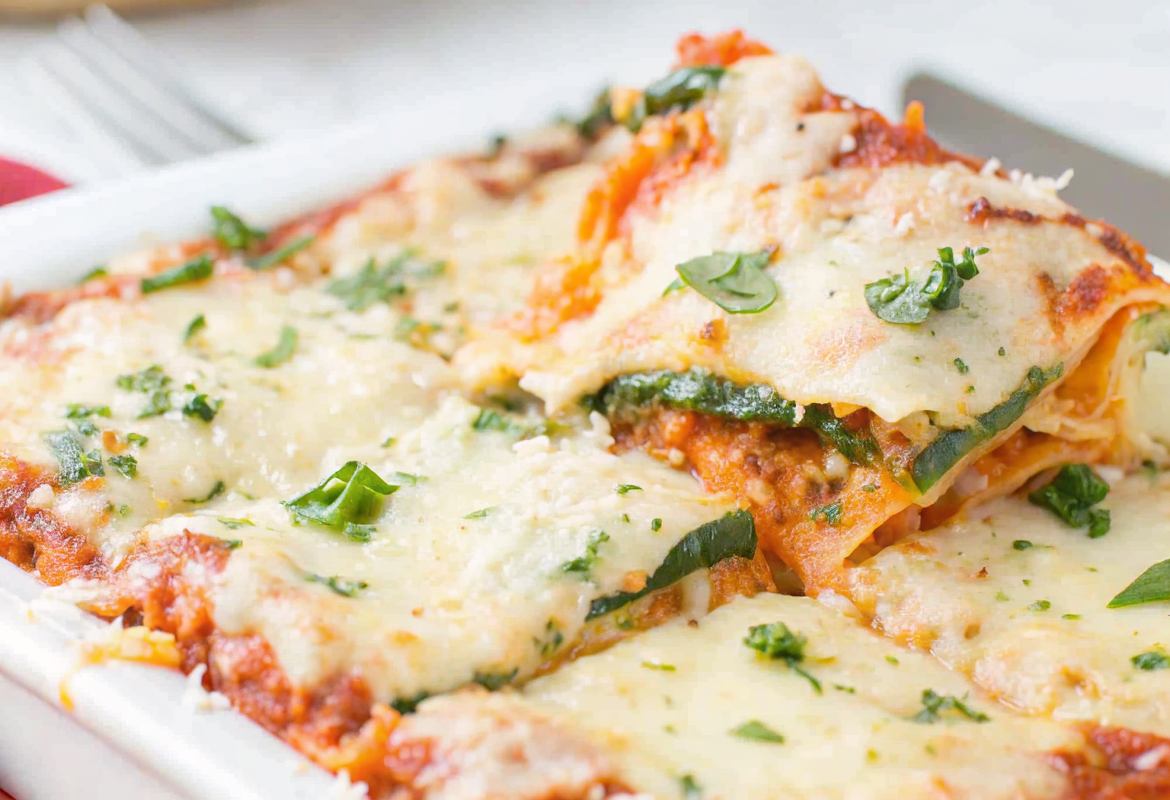
Spring Vegetable Lasagna: How to Make Best Easy
Ingredients
Instructions
- Step 1: Cook Lasagna Noodles: Bring a large pot of salted water to a boil. Add the noodles and cook until just al-dente. Drain and rinse with cold water. Set aside.
- Step 2: Cook Vegetables: Heat olive oil in a large saucepan over medium heat. Add onion and cook until translucent. Add in italian seasoning, red pepper flakes and garlic clove. Cook for 30 seconds and add in the spinach, zucchini and peas. Cook for 10 minutes until spinach is wilted, peas are cooked through and zucchini is tender. Remove from heat and drain off any water.
- Step 3: Prepare Ricotta Mixture: In a separate bowl combine the ricotta cheeses and grated nutmeg.
- Step 4: Assemble and Bake Lasagna: Preheat oven to 375 degrees F. Spread 3/4 cup sauce on the bottom of a 9x13 inch glass pan. Layer with 4 of the lasagna noodles (3 vertical, one horizontal). Spread on 1/2 of the ricotta mixture and 1/2 of the vegetable mixture. Spoon on 1 1/2 cups of the tomato sauce on top. Continue to layer with lasagna noodles, rest of the ricotta mixture, remaining vegetable mixture and 1 1/2 cups tomato sauce. Top with 4 additional lasagna noodles and remaining 1 1/4 cup tomato sauce. Top with mozzarella cheese and cover loosely with foil. Bake for 40 minutes. Remove foil and cook for an additional 10 minutes until bubbly and hot.